Project Overview & Personal Motivation
Food and food culture is one of the most universal aspects of human history. As a self-professed foodie, I find the history of food publications and illustration to be very interesting on multiple levels. We often think of food illustrations today as appetizing photography or modern recipe blogs, but tracing their origins back to the 14th century reveals a dramatic shift in how humans organized knowledge, labor, and technology.
My curated digital exhibition, "From Humors to High Cuisine," explores the pivotal graphic transition from hand-painted medieval health handbooks to the first printed, perspective-driven Renaissance cookbooks. In this project, I want to invite visitors to explore how visual media shifted from flat, symbolic representations meant for noble libraries into standardized, technical schematics designed to democratize culinary craft across Europe.
By contrasting the delicate tempera and gouache miniatures of the Tacuinum Sanitatis (c. 1380) with the crisp copperplate engravings of Bartolomeo Scappi’s groundbreaking Opera dell’arte del cucinare (1570), this exhibition shows how the invention of the printing press turned visual art into an engine of practical information design.
Exhibition Format & Interactive Web Application
To bring this visual journey to life, I am building a custom, interactive web application featuring a dynamic Chronological Gallery & Comparative Inspector. Rather than presenting static images on a wall or a passive PDF slideshow, my web platform offers an engaging, multi-layered experience:
- Interactive Chronological Timeline: Visitors can drag through a visual timeline spanning 1350 to 1600, observing how artistic techniques (from Gothic flat composition to Renaissance linear perspective and cross-hatching) evolved alongside printing technologies.
- Side-by-Side Art Inspector: A split-screen comparison slider allowing users to directly contrast medieval miniatures (such as "Making Noodles / Tria") against Renaissance engravings (such as "La Cucina Principale"), highlighting differences in spatial depth, color, and figure rendering.
- Annotated Kitchen Hotspots: Interactive hotspot pins placed directly on high-resolution copperplate prints of Scappi’s kitchen layouts. Clicking a pin reveals details about early modern technology—like mechanical weight-driven spits, pasta-cutting wheels, and copperware grids—along with historical notes on humoral medical theory.
Works Cited & Image Sources (MLA Format)
Cogliati Arano, Luisa. The Medieval Health Handbook: Tacuinum Sanitatis. George Braziller, 1976.
Krohn, Deborah L. Food and Knowledge in Renaissance Italy: Bartolomeo Scappi’s Paper Kitchens. Routledge, 2015.
Notaker, Henry. A History of Cookbooks: From Kitchen to Page Over Seven Centuries. University of California Press, 2017.
Scappi, Bartolomeo. Opera di Bartolomeo Scappi M. dell’arte del cucinare, con laquale si può ammaestrare qual si voglia cuoco, scalco, trinciante, o mastro di casa. 1570. The New York Public Library Digital Collections, digitalcollections.nypl.org/collections/opera-di-bartolomeo-scappi-m-dellarte-del-cucinare-con-laquale-si-pu-ammaestrare. Accessed 7 July 2026.
Tacuinum Sanitatis. Codex Vindobonensis Ser. n. 2644, late 14th century, Österreichische Nationalbibliothek, Vienna. ÖNB Digital Manuscripts, digital.onb.ac.at. Accessed 7 July 2026.
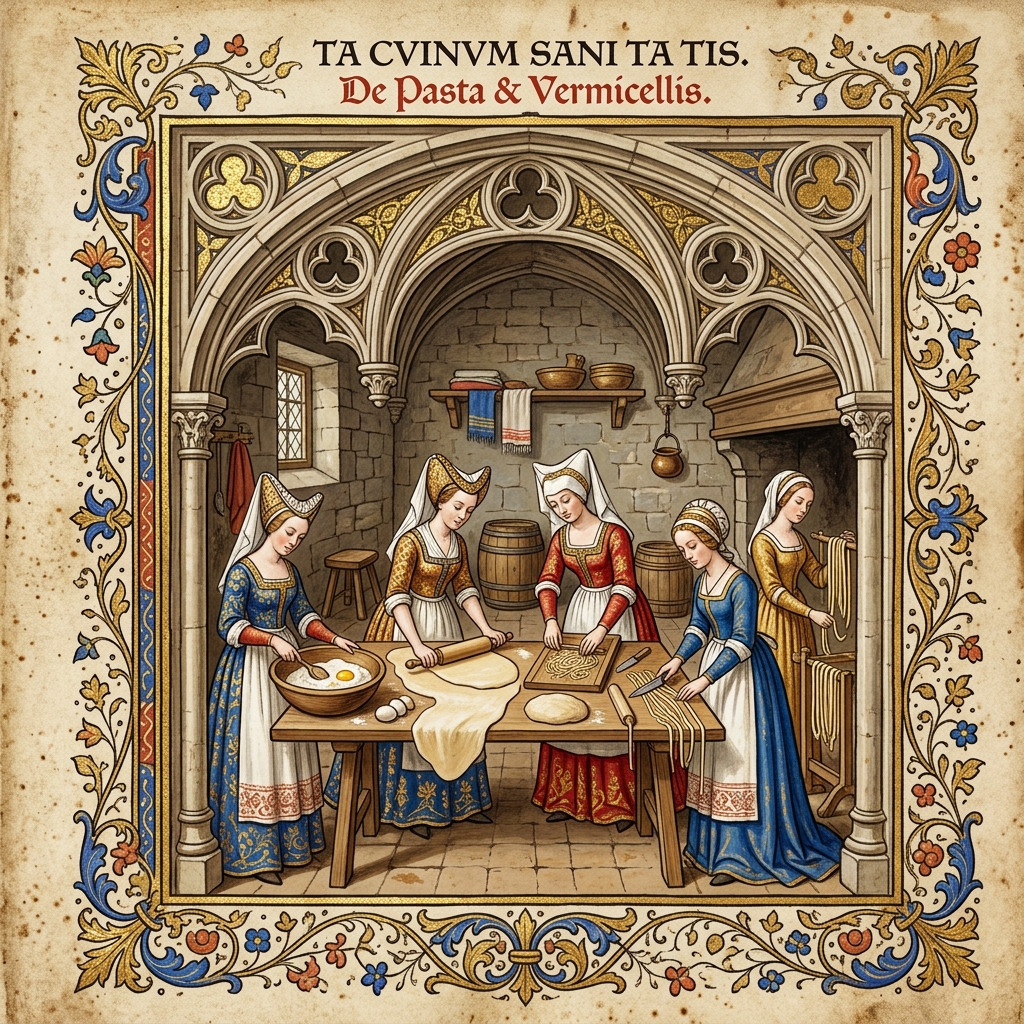 Medieval Manuscript • 1380
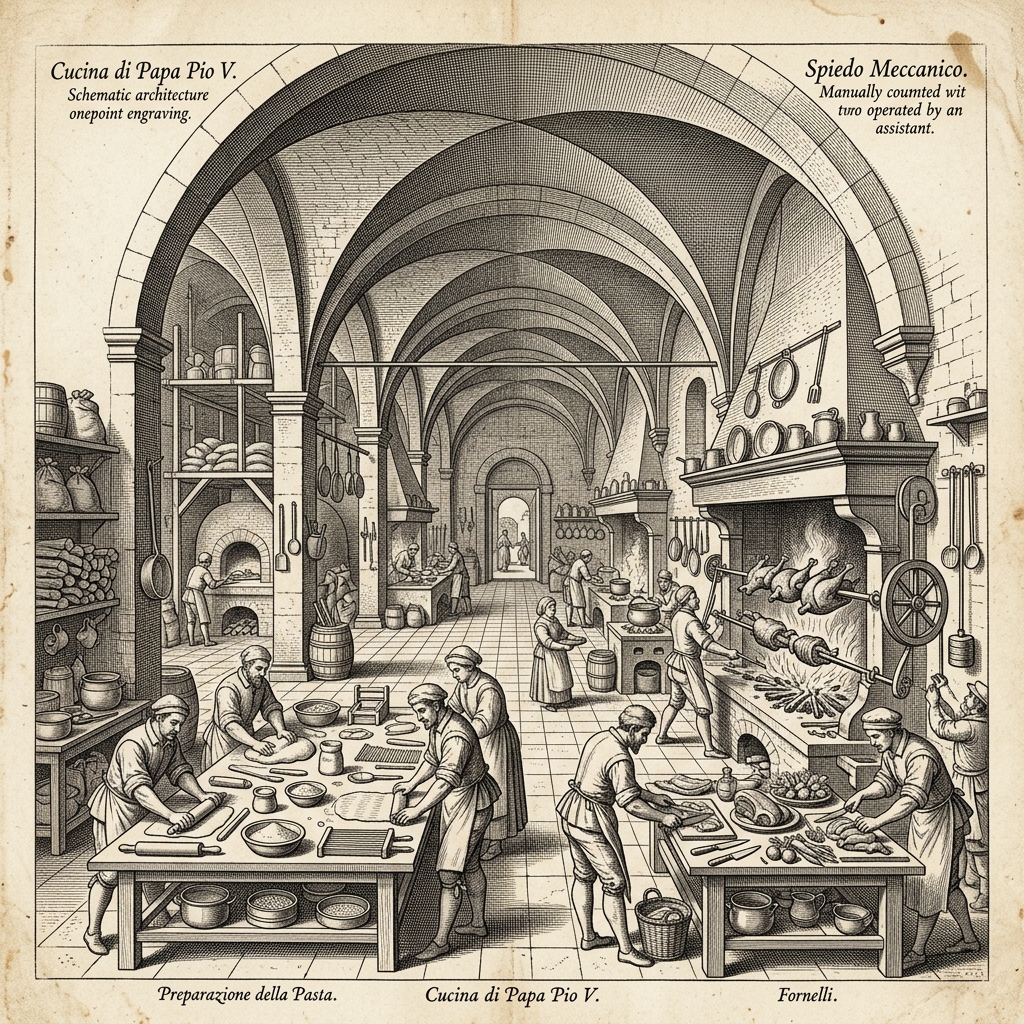 Renaissance Print • 1570
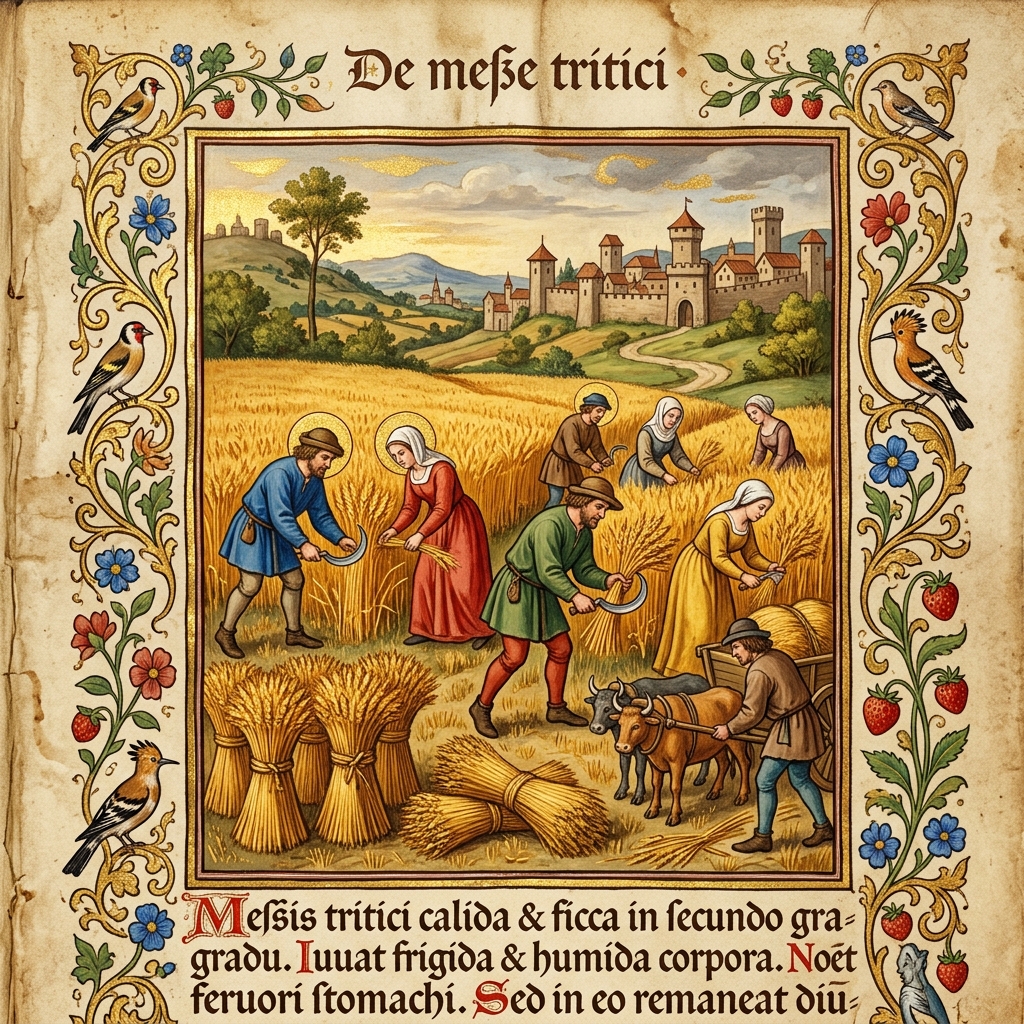 Medieval Manuscript • 1390
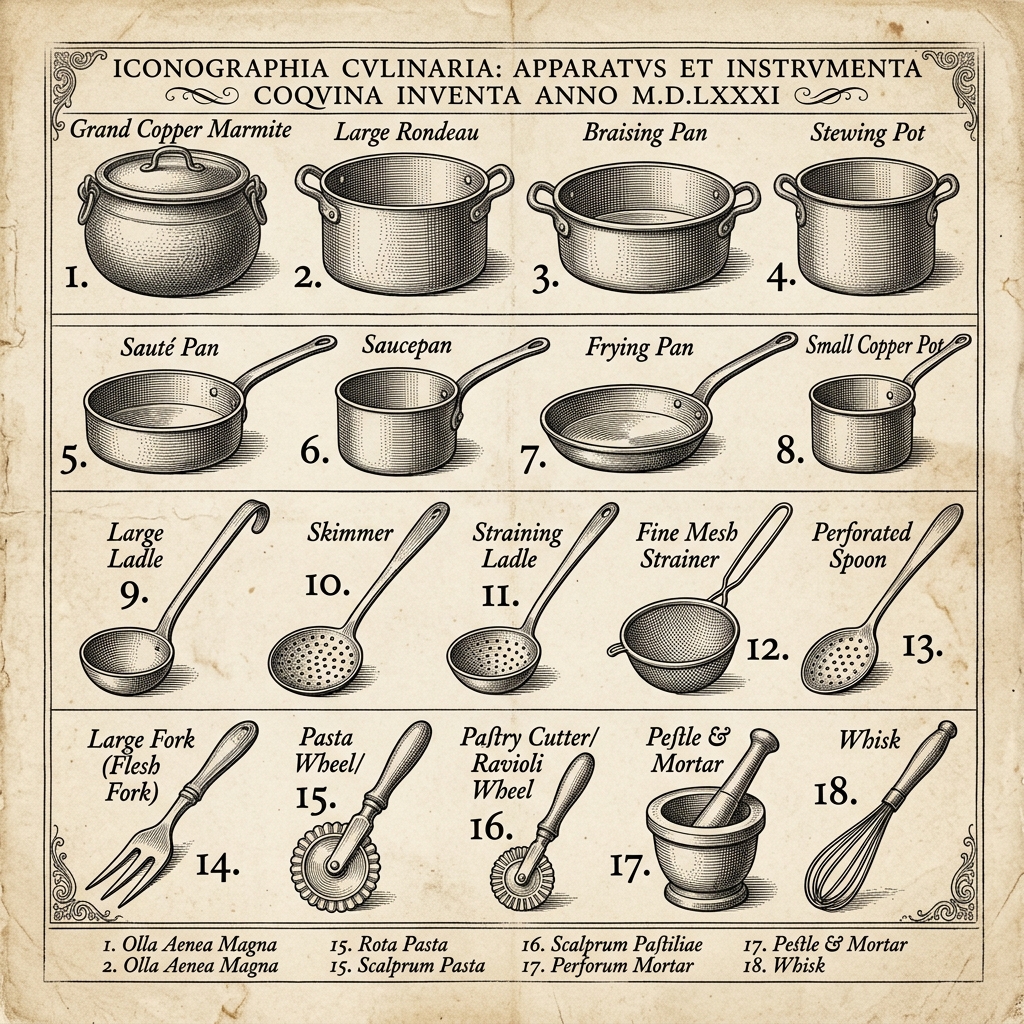 Renaissance Print • 1570